





Frontline training for retail

Your best store does something the rest don't do yet

A customer hesitates. One colleague asks a follow-up question and the customer walks to the till with the right product. The other keeps it short and the customer walks out of the door. They had the same frontline training. What they do with it afterwards shows up in your sales, your service and your staff turnover.

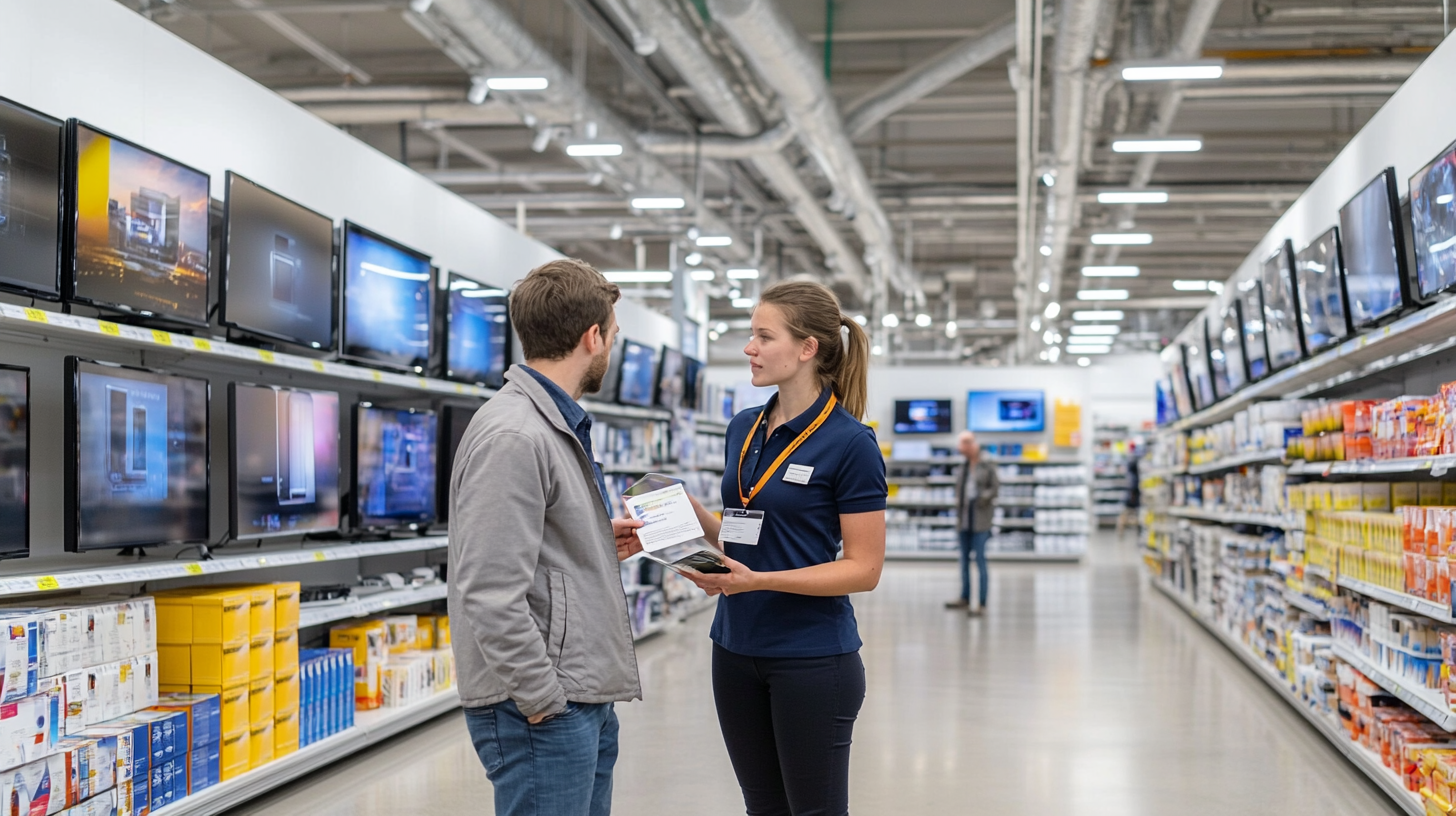
Store employee helps a customer with product advice in an electronics store

These brands already see it in store


The pattern

Same training, yet a different store

Two stores in the same chain. Everyone took the same training. And still one store does better than the other, month after month.

Store B

The employee keeps it short

Same situation. The employee points to the shelf, mentions the promotion and walks on. The campaign hangs in the store, but you never hear it in the conversation. And nobody says a word about it.

Store A

The employee asks a follow-up question

A customer is torn between two products. The employee asks one good question, gives clear advice and rings up the sale. The manager sees it and says what went well.

The difference starts after the training, in every conversation with a customer.


From training to numbers

5 areas where what happens in store makes your numbers

01Sales

Higher sales per store

A campaign is running in the store. One colleague brings it up in the conversation and suggests something that fits. The other never mentions it. The poster is on the wall, but the customer hears nothing about it. That difference adds up. Per day, per week, per store.

Where you see it

  • higher average basket
  • more add-on sales
  • fewer missed chances with customers who hesitate

Recognisable at

MR MARVISDe Bijenkorf
02Onboarding

Standing on their own feet in store, sooner

A new colleague watches, hesitates with customers and leans on whoever has been there for years. Without direction, it takes weeks before they lead a conversation themselves. With something to hold on to from day one, that changes. Your new colleague practises on the job and finds their feet in the store sooner.

Where you see it

  • shorter onboarding
  • less pressure on experienced colleagues
  • working on their own sooner

Recognisable at

HEMA

03Service

Service that holds up when it gets busy

A customer asks a tricky question. The employee hesitates, and the answer comes too late or stays vague. When it gets busy, that happens more often. Conversations get shorter and the attention slips. If everyone knows what that moment needs, service holds up. Even on a Saturday afternoon.

Where you see it

  • steadier customer satisfaction
  • fewer complaints on busy days
  • the same attention in every store

Recognisable at

De Bijenkorf

04Errors

Fewer errors, less rework

It is busy. Someone skips a step or does it slightly differently. At that moment it seems small. Later it turns out something is wrong: a return, a complaint, a customer who does not come back. If you see earlier where things go wrong, a manager can put it right straight away. And putting it right early is always cheaper than repairing it later.

Where you see it

  • fewer returns
  • fewer complaints
  • lower repair costs per store

Recognisable at

EDG

05Retention

Steadier teams, less staff turnover

An employee walks around with doubt or stress for too long. The manager only notices when they call in sick or hand in their notice. If you see earlier where someone gets stuck, you can be there in time. That saves turnover, onboarding time and gaps in your rota.

Where you see it

  • lower absence
  • less staff turnover
  • steadier rotas
  • less time spent onboarding

Recognisable at

DHLbol

In practice

What we built with HEMA, PVH and Gall & Gall

Three brands, three approaches. This is what is on their platform.

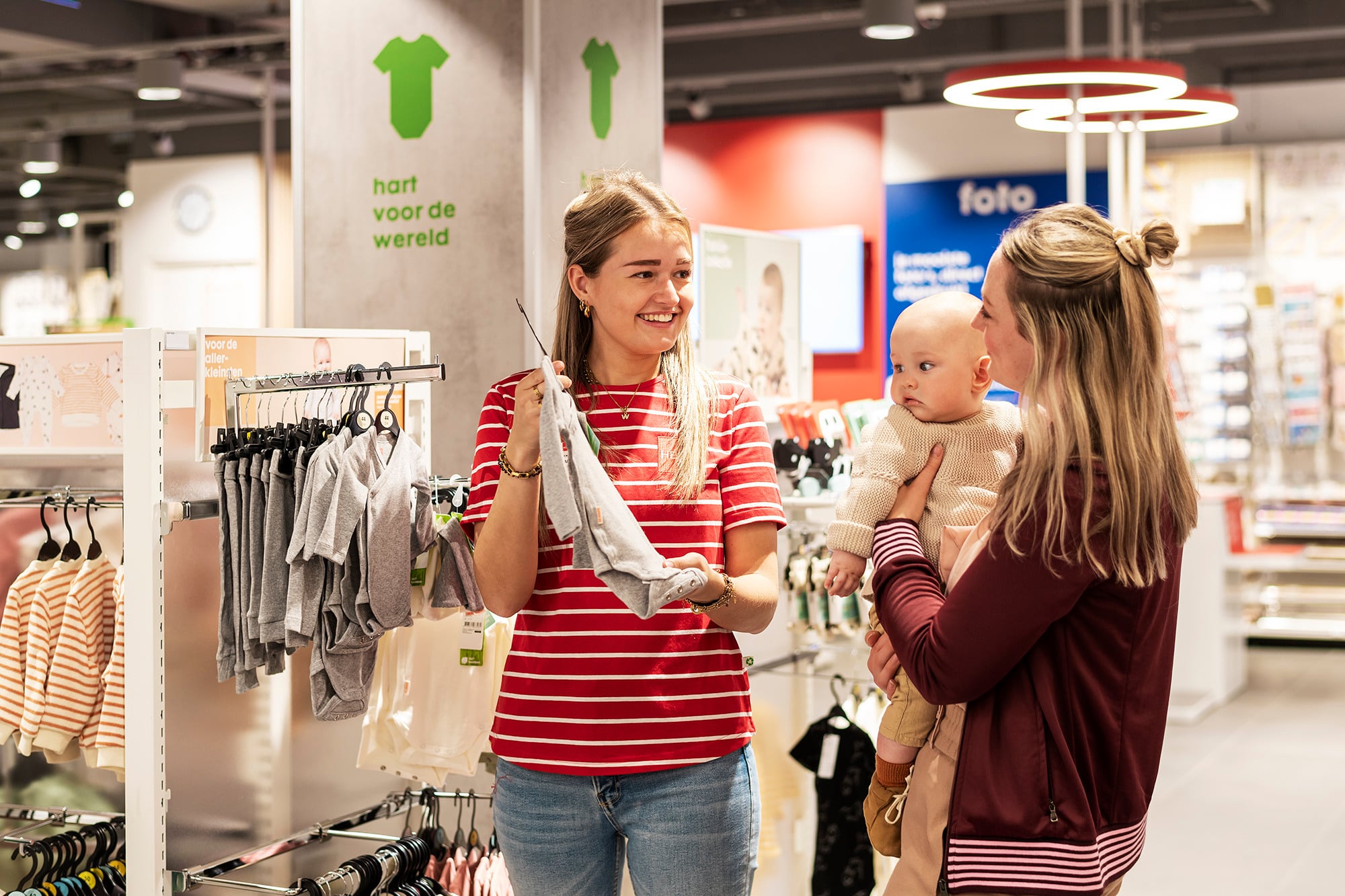
HEMA employee helping a customer
HEMAHEMA

With HEMA we built onboarding from day one to week four, plus food safety and RFID. Every new colleague knows what the store expects of them.

PVH PLAY learning platform

For PVH we created the CX series Connect, Inspire, Deliver and Celebrate. Calvin Klein and Tommy Hilfiger store teams use it to practise how they welcome and help customers.

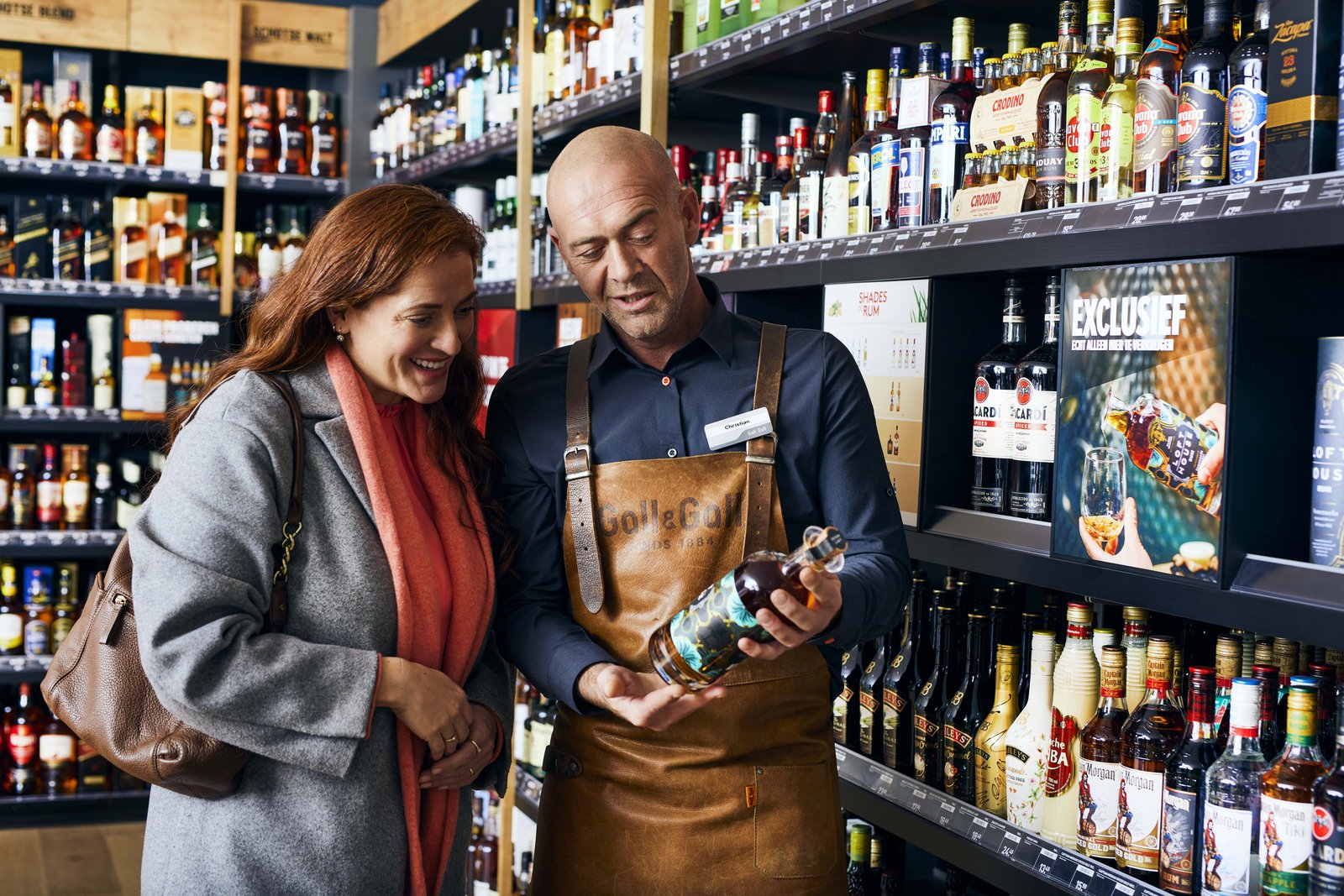
Gall & Gall in store
Gall & GallGall & Gall

With Gall & Gall we built WOW Service: from greeting and advising customers to closing the sale. Each step is a short module you apply in store straight away.


How it works

How it works in every store, every day

One training or a few strong employees cannot do it alone. It works when you look at what happens every day, and do something with it.

Every day
1

See what happens every day

What happens in the conversation? Who asks the follow-up question? Where does it slip? You see it while it happens, and you do not have to wait for a report afterwards.

2

Pick it up while it is fresh

A manager sees it go differently and says something. A colleague tries again after a tough moment. It happens straight away, without a review cycle.

3

Repeat until it is just how you work

Day after day. That is how good work becomes normal, whoever is on shift and however busy it gets.


Step 1

See where it rubs in your stores

Where do your people miss chances? Where does service slip when it gets busy? The Performance Check puts it all in front of you.

Performance CheckFree, 30 min
  1. 1You answer a few short questions
  2. 2You see where the difference lies
  3. 3Together we look at where to start

After 30 minutes you know what goes well in your stores, and where it can get better.

Joost from TinQwise, your contact for the Performance Check

JoostYour contact for the Performance Check

Start the Performance Check

HEMA, MR MARVIS, PVH and more went before you

Shall we look at your stores together?

In 30 minutes we go through the moments when things in store go differently from how you meant them to.